A custom CRM instead of expensive off-the-shelf software
Salesforce, HubSpot and the rest are built for enterprises. You pay 50 to 100 euros per user per month, get hundreds of features and end up using ten of them. After three years you've spent more on licenses than custom CRM development would have cost, and your team is still fighting menus nobody understands.
A custom CRM works the other way around. We look at how your business actually operates and build exactly that. Clients, projects, quotes and invoices in one place, accessible from your phone and your desktop. No bloat, no monthly per-seat fees, and your data stays with you instead of on someone else's platform.
As a CRM for small business, the math works out fast. You pay once for development, then a few euros a month for hosting. That's it.
Which processes you can automate
Almost anything you do by hand that follows the same steps every time can be automated. The usual suspects: generating quotes from templates, creating and sending invoices when a project wraps up, payment reminders after 14 days, follow-ups on inquiries that went quiet, and appointment booking straight from your website instead of five messages back and forth.
Order matters, though. The most common mistake in business process automation is automating a process that was already a mess. Now you just have a faster mess. So we clean up the workflow first, then automate it. And we don't rebuild everything at once. We start with the process that costs you the most time and expand step by step.
A real-world example workflow
Here's what it looks like in practice. A prospect fills out the form on your website. The CRM creates a contact automatically and sends you a WhatsApp message with the key details. You tap accept, and the prospect gets an email with your booking link. They pick a slot, and it lands straight in your calendar.
After the call, you generate the quote from a template in two clicks. The system sends it and automatically nudges the client after five days if there's no reply. When they accept, the quote becomes a project. Once the work is done, the CRM generates the invoice and chases overdue payments on its own, politely and in your tone of voice.
Your part in all of this: two clicks for the quote and the call itself. Everything else runs in the background, nights and weekends included.
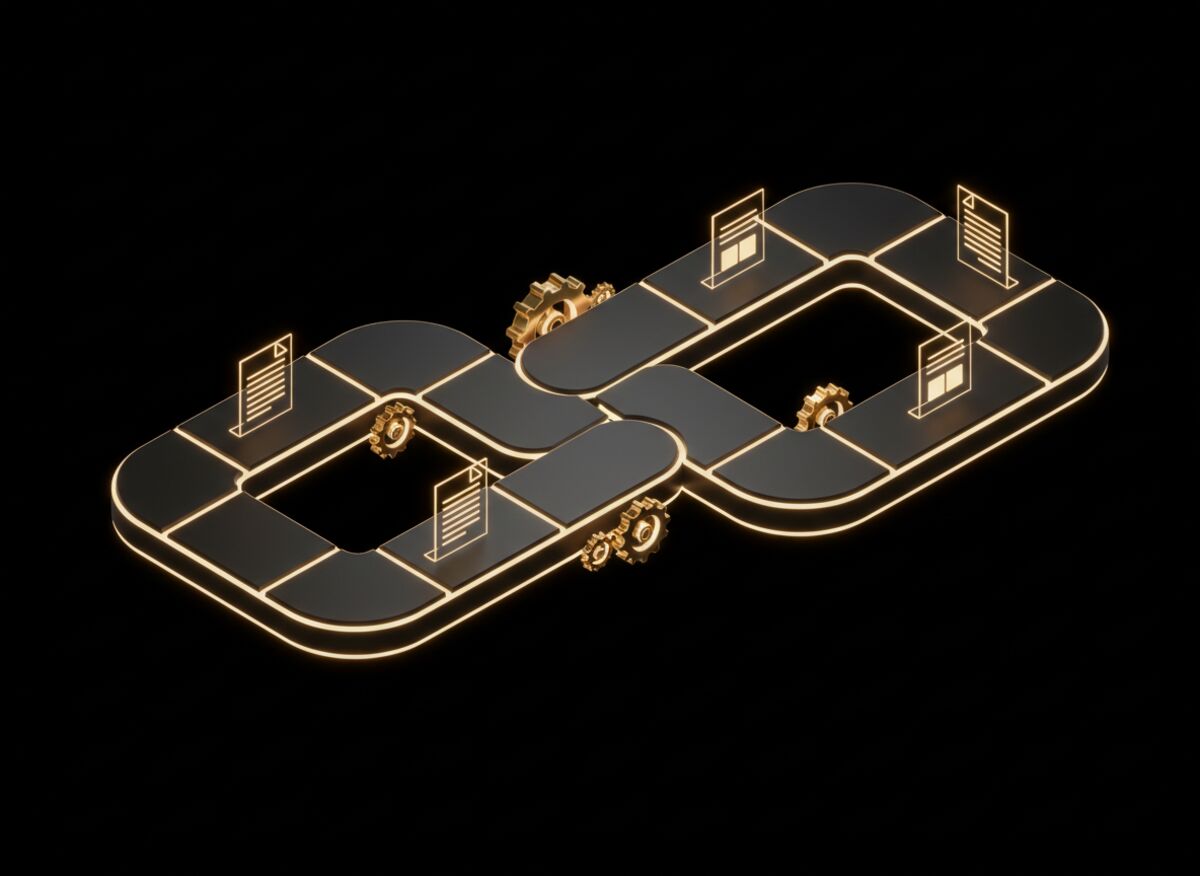
What you actually save, and how a project runs
Do the math yourself. Writing a quote: 20 minutes. Creating and sending an invoice: 15 minutes. Checking payments and chasing late ones: 30 minutes a week. Following up on inquiries: another hour. For a small business that adds up to 5 to 10 hours a week. Hours you could bill instead of burning on admin.
Working with me is simple. You message me on WhatsApp and tell me where it hurts. We have a short call, I look at your workflows, and you usually get a concrete quote within 24 hours. A lean CRM starts in the low four figures. Add automations and integrations and it goes up from there. You see a working first version early, and we adjust until it fits.
CRM system and invoicing software in one
Most companies that contact me are really looking for two things at once: a CRM system that keeps clients and inquiries in order, and invoicing software that produces quotes and invoices without copy-paste. On the market you buy two subscriptions that do not talk to each other. Here it is one tool: an inquiry becomes a contact, the contact becomes a quote, the quote becomes an invoice, and every step carries the data from the previous one.
That sounds obvious, but it is not. Off-the-shelf software tries to serve every industry at once and ends up heavy for each single one. A tailored system knows only your workflows, your prices and your documents. Your people learn nothing they do not need, and you pay no license per seat per month.
And if something already exists, I do not rip it out. An existing invoicing tool or accounting system can almost always be connected. The system grows around what works and only replaces what hurts.